Blog - Page 5 of 6 - Earthscape

Bring to the table win-win survival strategies to ensure proactive domination. At the end of the day, going forward, a new normal that has evolved from generation.
December 18, 2023
Coir-Fibre-Uses.jpg

Looking for coir fibre uses?

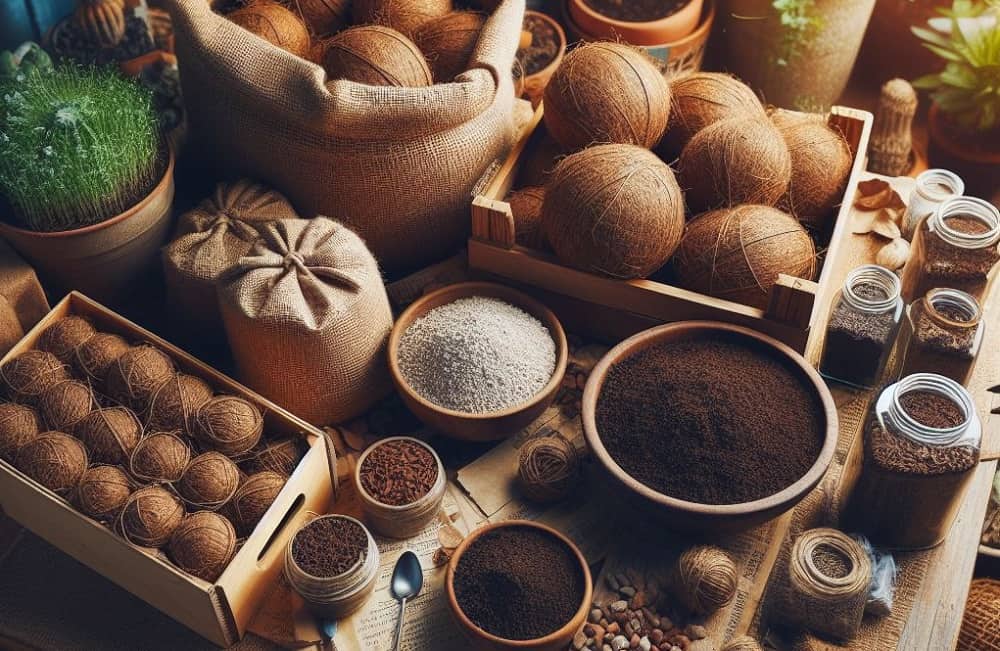
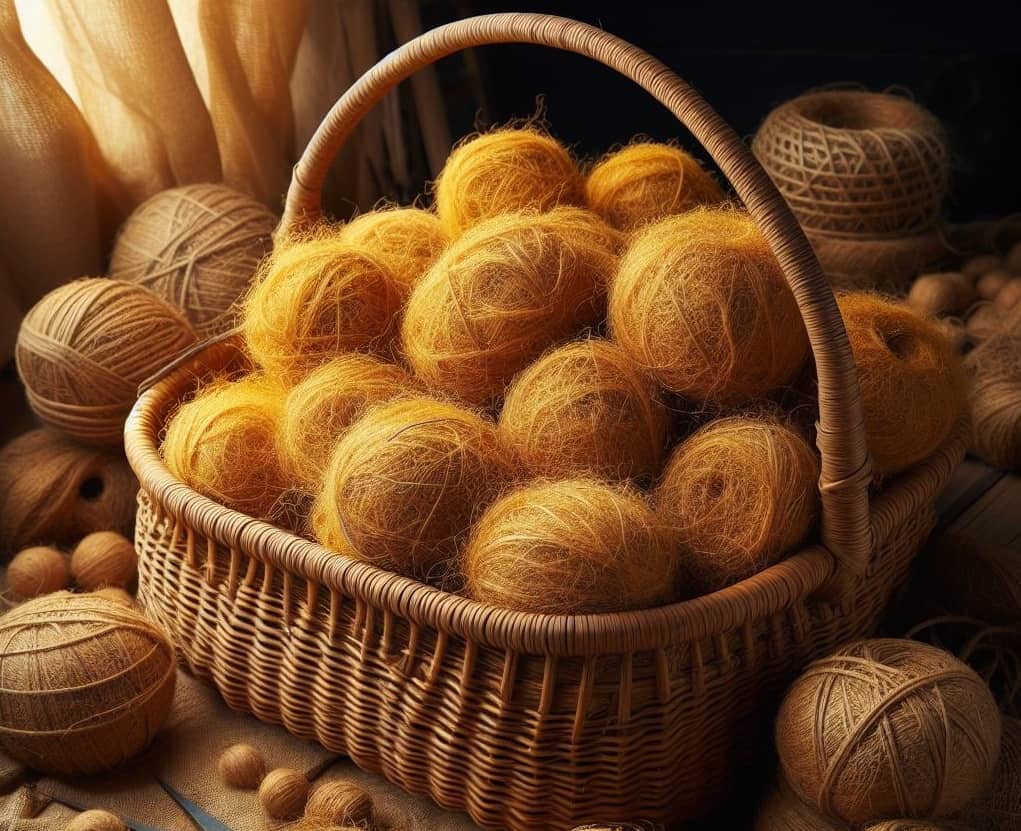
The Coconut industry is increasing rapidly in the recent times. Coir Fibre, an extract by product of Coconut is gaining popularity worldwide. Coir Fibre is extracted from the outer part of the coconut where fibers are extracted and processed in in different ways depending on the application or use.

Coir is known for its versatility, strength and durability. The coconut fibre is mainly of two types, Brown Coir and white Coir. Brown Fibre is obtained from fully matured ripped coconut, where has white is extracted from coconuts which are not ripped. Both types have their own distinctive properties and different uses and applications.

Coir Fibre is being used among various industries an has been considered as the preferred product among many alternatives. The advantages of use coir Fibre in different industries and products includes its high tensile strength, water absorbent, UV resistant synthetics, and is easy & flexible to handle.

On the other hand, it is considered as an organic eco-friendly option which is also biodegradable after around 4-10 years. Some common industries where coir fibre is commonly used are agricultures, textiles, construction, furniture, aquaculture, personal care products etc. Today we will discuss about the common uses of Coir fibre which are as follows;

1. Doormats

Doormats is a common product made from coir fibre and is preferred by many users. Doormats can be made from 100% coconut fibres for getting the best quality. The reason they are preferred is due to their low maintenance quality, drying up quickly, are an ecofriendly product. They can also be vacuumed. The mats and rugs can be used for both indoors and outdoors making it an ideal home product. The durable coir fibre material make it long lasting.

Door mats are available in a variety of colors, size, dimensions and designs so you can find the perfect fit for your home. The coir fibre makes it naturally strong, creating bristles which can scrap dirt and mud from shoes and boots. It captures the dirt keep the dirt away from your homes.

If the coir fibre doormats are well looked off and maintenance, they can last for years making it a cost-effective solution. By using the coir fibre made doormats you can enjoy the beauty of sustainable living.

Suggested Read: The Ultimate Guide To Buying Coco Fiber in Bulk

2. Brushes

Coir fibres are considered as one of the strongest and thickest against the natural fibres. They are commonly used in the brush and broom manufacturing industry. If you are looking for products which are organic and 100% natural then coir fibre brushes should be your go to alternate.

The brushes are hard enough to be easily used on different surfaces. The brushes are anti-bacterial, highly durable and compostable. The coir fibre brushes are eco friendly and biodegradable. They are a perfect addition to your household. The global market of brooms and brushes dominates the fibres from plastic or other artificial material which is turning out to be a threat to the environment.

Looking at these serious concerns its important to support the coir fibre brush manufacturers to adapt the eco-friendly alternates. Due to their characteristics of being sea and fresh water resistant it makes it the ideal material for cleaning along with cleaning detergents on any surface. Coir brushes from coir producing countries are being exported to American, Japanese, European and middle eastern markets and gaining popularity.

3. Mattresses

Coir mattresses is another product made from Coir which can be commonly being used in our daily lives. Coir mattresses are good alternates for people looking for eco-friendly options which are firm and durable. Coir mattress are known for providing good support to the body and spine by adapting to you shape over time, prevent from back pain and other orthopedic issues.

The coir fibre mattress provides a solid resting area due to springily fibre filling. The mattresses are also available in different firmness levels. They are often combined with foam or latex to provide a perfect combination of softness.

Coir mattresses due to being breathable and hygroscopic, it keeps the temperature cool and doesn’t no heat up helping you to sleep and rest comfortably. They are also considered as an inexpensive eco friendly alternate. Its also preferred by users which are suffering from dust allergies as it doesn’t store any dust which can irritate others.

4. Geo Textiles

Geo textile are fabrics which are used for improving soil characteristics. Several functions include geo textiles which include drainage, watering, cushioning, filtration, separation and re-enforcement. Coir geo textile has been gaining popularity and being used a lot. It has high mechanical strength which stops erosion and holds the soil into position.

The coir also helps in water absorption.  Geo textile is available in both woven and non-woven types. These includes coir water logs, needled felts, geo beds, anti-weed blankets, geo mesh and erosion control blankets. It degrades in a span of about 5 years.

Coir geotextile has the ability to tackle humidity, rots and molds. It regulates soil temperature and humidity resulting in health plant growth. For other geotextile other chemicals are used to counter these issues.  Coir Geotextiles is both handmade and machine made available in different sizes and weight.

5. Packaging

Packaging has major influence on our eco system. Business these days are shifting towards eco-friendly and sustainable packing options. Coir fibre has provided a new alternative to people to be used in packaging. As it is 100 % organic and bio degradable it is gaining popularity. Characteristics of coir like high strength, durability, its water absorption quality is making convincing researchers to learn and invest more one this new packaging material.

Waste of the coir fibre is processed to make eco-friendly packaging alternate for the food industry. The reduction of plastic in packaging material is a step forward to a sustainable future. Coir fibres along with bio degradable polymers can help producing packaging for hard materials.

It will make packaging more economical and sustainable. The initiative of sustainable packing from Coir fibres is gaining progress from coconut producing countries like Sri Lanka and India.

Contact Earth Scape a leading coir fibre manufacturers to order coir fibre.


December 18, 2023
Coir-Pith-Uses.jpg

Are you looking for coir pith uses?

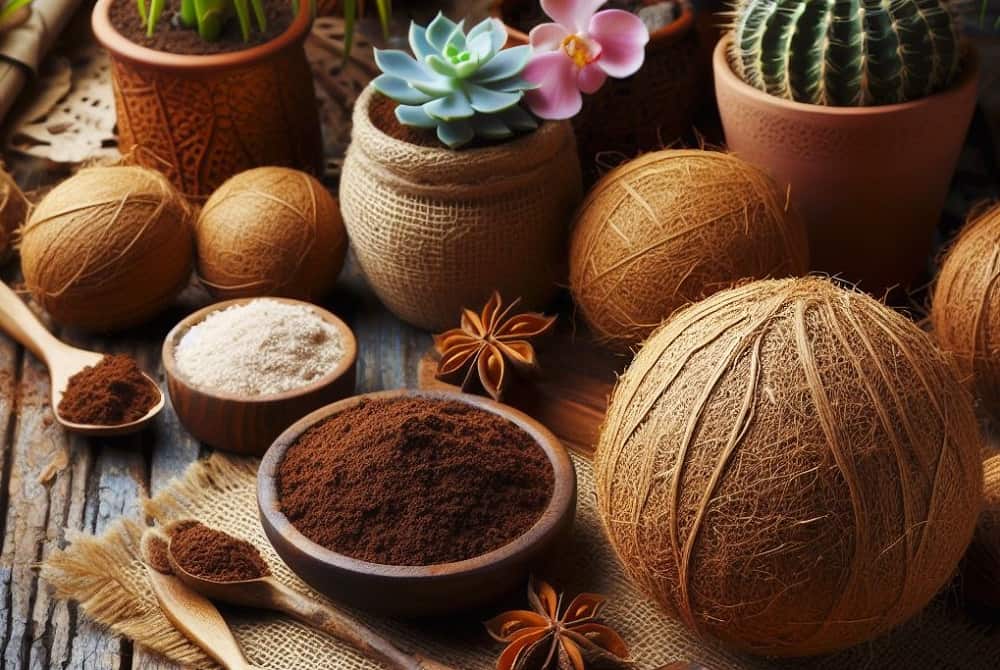
Coir Pith also known as coco pith is widely used as a growing medium nowadays in many home-gardening because of its strong water retention properties and the ability to allow air to pass through it.

Coir pith is considered as an environment friendly option when it comes to agriculture and horticulture because it is naturally waterproof, it has a neutral pH balance and it is resistant to salt water. These attributes of coir pith make it an ideal substance for gardening and a perfect substitute for peat moss.

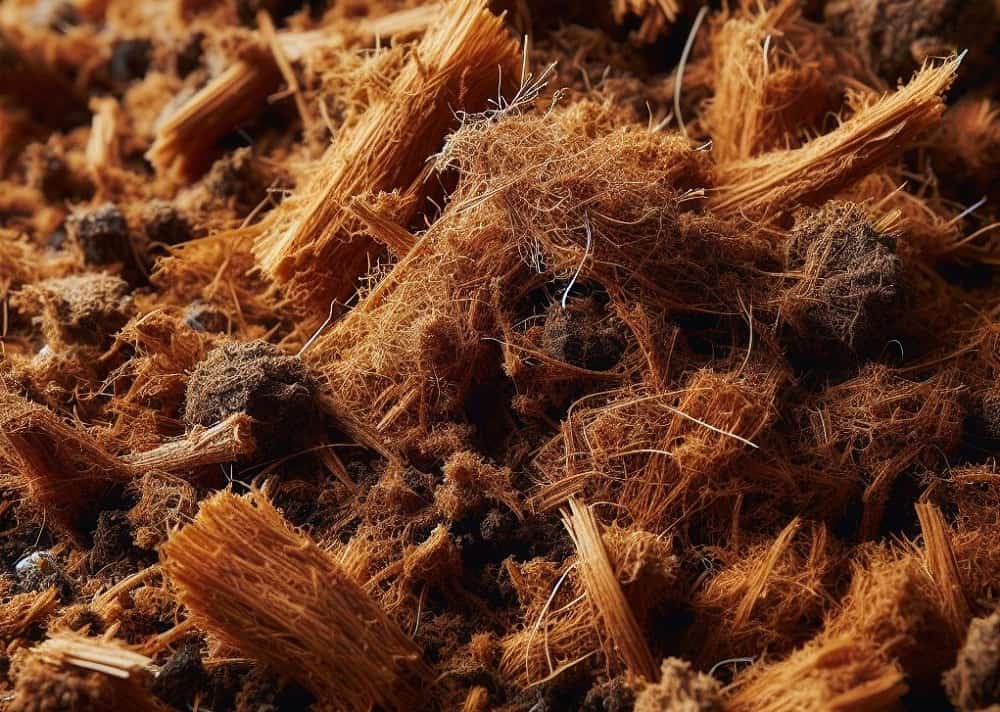
Coir pith contributes in growing stronger root growth which in turn increase the life span of a plant. Before discussing the uses of coir pith lets first find out how it is obtained and extracted. Basically, coir pith is obtained from ripe and matured coconuts, the waste from coir fiber extracted from coconut is then treated, dried and graded to convert it either into powdered form or blocks of coir pith for gardening use. Now let’s have a look at the amazing uses of coir pith;

1. Gardening

Coir pith is considered as an ideal medium for growing plants because of its unique organic compound, water retention ability and neutral pH balance that promotes stronger root growth and a longer life span to plants making it popular and useable not only for home gardening but also agriculture and horticulture.

Coir pith is also used as a soil less medium for some plants. The best and distinct feature of coir pith over the traditional peat moss is its sustainability, coir pith can be reused up to three times which makes it more convenient and budget friendly.

Apart from this, it is environment friendly and is extensively available which make it an amazing alternative for the traditional peat moss. Another reason making coir pith a great option for gardening is its ability to repel insects and molds. Additionally, since coir pith is a naturally growing medium its process of decomposition is slow and it is biodegradable.

Suggested Read: 5 Coir Fibre Uses

2. Composting

Coco pith compositing is also commonly known as coco peat.  Compositing with coco pith is an organic material which is commonly used in hydroponics, gardening and agriculture and is a great traditional alternative to the old traditional peat moss. Preparing a coco pith composite involves different stages that begins with the coconut husk ending to the final composition material.

The coco pith is widely considered an important element for plants root growth and is preferred among growers. Storage if pith composite is done in a shaded area and it’s important to keep watering it so it can maintain its moisture.

The benefits of using coir pith as a composite includes increase in circulation of air in the soil, water retention, efficiency in irrigation, seeds the germinate quickly, and increase in the micro nutrients like Sulphur, calcium and magnesium resulting in increase in crop.

On the other hand, it also increases the microbial activity for the soil. While using the composite it’s important to use good quality sand paper and avoid using the composite which has not decomposed.

Suggested Read: Coco Peat Vs Coir Pith

3. Erosion Control

Soil erosion can be caused to a number of factors such as wind, heavy rain falls or even the human activity. It can cause major problems for your soil and can cause harm to your agriculture activity. Coco pith can also use to reduce the soil erosion and can control if to make it usable for agriculture. It’s an amazing alternate to traditional methods.

By using coir pith, it prevents the water from washing away from the soil. A barrier is created between the water and the soil resulting in slowing down the erosion. For proper using of coir pith for erosion control it’s important to choose the right size, then after laying down the coir it’s important to water the area. After watering the area it’s important to keep it maintained.

4. Animal bedding

Coco pith is a very suitable and comfortable material for animal bedding. Animal bedding products are made by using one of the most advance technologies. It is considered as an ideal floor bed for animals providing great comfort and a cushioning effect. It has capability to absorb moist due to which its commonly preferred.

It helps in providing your pets kept happy, health and safe from different kinds of illness. It helps in avoiding bad odors, and keeps the production of flies away. Coco peat is very commonly used for horse bedding and is a considered as a excellent product. Its is a product which is free from resins, and 100 % natural and bio gradable, helps with reduction of ammonia and has high absorption capability.

It’s also used for cattle, poultry and turkeys. It provides greater wellbeing and health for your animals.

5. Hydroponics

Hydroponics as you may be aware is method where plants are grown in using water nutrients rather than a soil in traditional method. Hydroponics has been gaining a lot of popularity these days. It provides faster growth and better yield in crops. Coco pith is commonly be using for hydroponics and is a preferred growing medium.

Coco Pith is considered a 100% organic and eco-friendly and natural substitute to other growing mediums. Reasons for its popularity is the presence of nutrients and its water retention capability. It can hold and absorb water.

It also has a balance pH value which is good for most plants. It provides solid improvement and aeration gives strong structural growth for plants and better yields. It helps your plants to grow in a better healthy environment. It can also be mixed with other solid alternates.

Coco pith is easily available and can be found on your local stores. It comes in different shapes and sizes like bricks, chips and dust.

Contact Earth Scape a leading coir pith suppliers to order coir pith in bulk.


December 15, 2023
Coir-Brick-Uses.jpg

Looking for coir brick uses?

Coir is made from the outer husk of the coconut and it is a natural Fibre used in a number of products across multiple industries. Coir is made from the outer shell of a coconut & husk. The extracted fibrous husk is stretched and shredded which are then soak into water for days. Its then broken down into piles and dried and graded in white and brown fibers depending on the maturity of the husk used.

Coco Coir can be customized into different types to meet specific requirements as the per usage and application. One of the most common times is Coir Bricks.

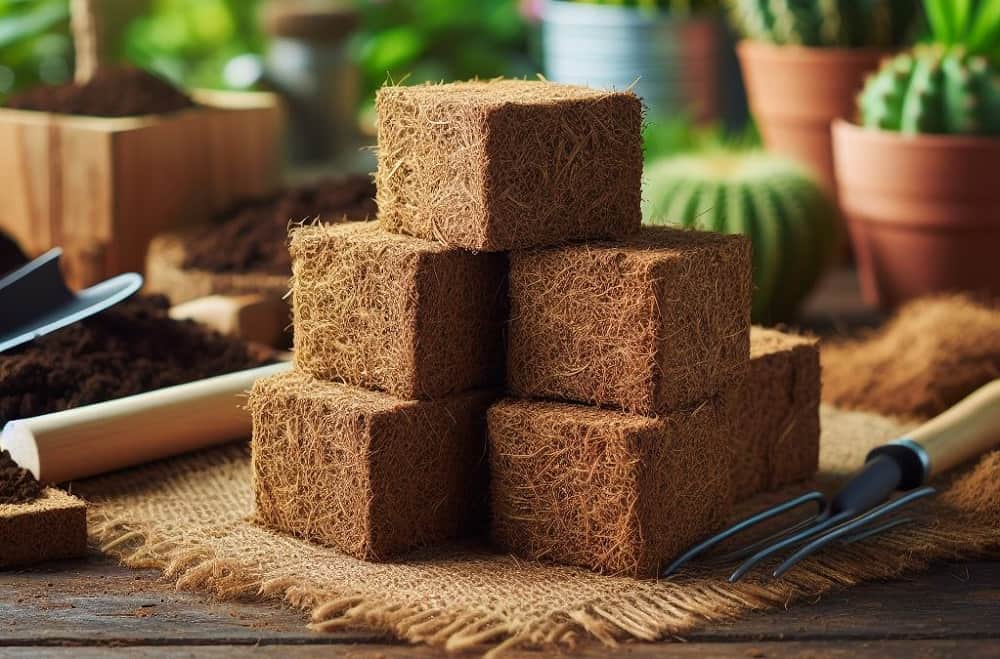
Coco Coir bricks are natural by products from the husk of the coconut. Coir is dried and compressed to form bricks of different sizes. Coir bricks are induvial packed for easy storage and handling and can be found at stores near you and commonly available.

It is an ecofriendly and sustainable alternate to peat moss and other growing mediums. Its 100% organic and is cost effective. Coir bricks are expanded by soaking into warm water before the use and application. Coir bricks can expand up to 8 times its actual size after soaking. Benefits of use Coir bricks includes its long storage and shelf life.

1. Gardening

Coir bricks are considered as an excellent growing medium commonly used for plantation both for indoors, outdoors and in hydroponic systems. These are used as an alternate to our traditional soil and is gaining popularity among users as it is natural and sustainable.

Coir bricks can be used to grow plants in pots, sowing seeds, used a mulch for plants and for soil improvement. It considered as a preferred choice for gardeners as it helps in water retention, improvement in soil structure and drainage.

Coir is versatile and lighter compared to the traditional potting soil providing with good nutrients and water aeration. The most highlighted characteristic of the coir bricks is its ability to hold water while providing space for air circulation. It can hold important nutrients which are released when need. Coir can be used with other soil mediums to provide you the ideal condition need for your plants to grow.

Preparing the coir brick includes remoisturizing the coir, draining the excess water, waiting for the coir to loosen, adjusting the pH value and adding the fertilizer. All coir bricks are required to be re-treated before use and the specifications provided by the manufacturer should be read before use to avoid from any negative effect.

Suggested Read: 5 Coir Pith Uses

2. Compositing

Coir bricks for composting is a great ecofriendly alternate to peat moss. Coir bricks for composting can both be used for garden compositing and toilet compositing.  Coir blocks are commonly used and preferred for composting toilets.

They are placed in Air heads of the toilets and different size of bricks are used for composting as per described by the manufacturer of toilets. The drying from the fan and stirring in the Air head breaks the solids and helps in eliminating the odors.

The process of compositing might take several ours to expand to its full size. For garden compositing coir bricks are gaining popularity as an alternate to peat-based composites.

Using coir bricks for gardening composites does not compromise you on quality. The main reason for using Coir bricks for compositing is to adapt an eco-friendly and sustainable alternate. Products like peat moss initially used as traditional composting method has negative impact on the environment and should be completely replaced by Coco Coir bricks which is easy to use, handle, store and no compromise in quality.

3. Erosion Control

Coir bricks provides soil erosion control. It prevents the water from washing away and creates a barrier from water and soil.  To use coir bricks for erosion, its important to choose the right size, water and maintain the area.

Coir bricks for erosion is preferred because it is considered as sustainable, cost effective, versatile and improves the soil health. As the coir bricks has longer life and organic it can last more longer as compared to other substitutes.

4. Animal Bedding

Coir products are very common for use of animal bedding. The bedding is very easy to use and remove when required. Coir animal bedding is free from any dust particles. Its used as a floor layer for animals as it has great ability to absorb moisture and soft cushioning effect.

It’s very organic and a biodegradable material. It helps keeping your pets and animals safe and healthy at their comfort. For animal bedding, its used for cattle, reptiles, small animals, poultry and even pet animals at home.

Coir is used for bedding of barns or the floors. It is providing high heat retention and highly absorbent. For animals it helps in reducing injuries and illness issues. Coir animal bedding is also very durable with high elasticity resulting in reducing fatigue issue for the animals. With antibacterial and deodorizing characteristics, it keeps the surrounding clear providing a healthy environment.

The use for coir for animal bedding is an environmentally friendly options at is made from 100% sustainable material and eco friendly option

5. Crafts

We have already discussed four different applications and uses of coconut coir in different nature of industries. Coir is also a part of the craft industry. Many craftsmen from around the world have used their ability to make amazing crafts products from coir.

It is easy and preferred material as it has high tensile strength and ecofriendly. Natural fibers are artistically molded into a number of different sizes and shapes to make unique products. It ranges from ropes to mats, wall hanging decorative items, baskets and containers for household use and different animal models.

Different waving and threading techniques are used to make innovative products. In recent times the crafts made from coconut coir has been gaining popularity. Sri Lanka and India are main markets where coir-based products are made by women.

Tourist around the world are amazed watching the innovative craft products available in these countries and are quick to get hold of one for their memories.

Contact Earth Scape the leading coco coir bricks suppliers to order coir brick in bulk.


November 30, 2023
Growing-Medium-for-Plants.jpg

Looking for growing medium for plants? Growing medium or often also called growing media is simply the material in which you grow your plants. Growing medium provides some primary functions which include physical support for the plants, helping in root growth and providing water and air through its roots and delivering important nutrients which help in growth.

Some of the key properties which the growth medium provides are water holding capacity, air porosity, pH levels, bulk density and electrical conductivity.

Each growing medium has its own characteristics and may differ from one another, and it’s important to choose the medium which is for your plants. All plants have their own distinct needs and have their own requirement of nutrients and characteristics for a perfect growth.

Selecting the right growing medium is important as it would help with providing proper moisture, nutrients to your plants and air. Other factors which are important to consider while choosing your preferred growing medium are water drainage, its pH levels and the nutrients they offer. A good growing medium can also be easily amended as per your plants needs and protect your plants growth.

Growing medium is a primary requirement for all types of gardening. The manner or type of gardening you choose while also be taken into consideration what growing medium you have to use or what suits you best. Common type of gardening options my include container gardening, hydroponic gardening or outdoor gardening.

As we have gone through the importance of using a growing medium lets go through some commonly use mediums in gardening and how beneficial can they be. Some common type may include Soil, Compost, Peat Moss, Bark, Coco coir and sand. Let’s explore each of these mediums below and see what characteristics and properties they have which may be helpful for your next gardening adventure.

Soil

Soil always plays a vital role in the plant growth until it is harvested. A good soil helps promote the growth of the plant and allows them to prosper. When beginning with planting your seeds, it’s important to choose a good potting soil as per your plants needs. These days a lot of different of the shelf stores have packed potting soil available which are certified organic and is a good start for your planting adventure.

Some general characteristics of a good soil would include being light weight, have proper drainage and its ability to hold nutrients and moist even the bad heat. Soil provides plants growth by providing oxygen, water, temperature, anchorage and nutrients.

A good soil condition is important for your plant growth and it’s important to have proper soil management. While choosing the soil for your plants you should be avoiding soils which are labeled as compost or topsoil as they are often associated with low quality or poor soil. Soils can be found with a mixture of ingredients like peat moss, coco coir, perlite, vermiculite or granular fertilizers. Most soils have a mix of these variants.

Suggested Read: 5 Coir Brick Uses

Compost

Compost itself accts as a soil amendment and may be beneficial for planting. Compost is a process of recycling from an organic material. Materials such as food scraps, animal waste, leaves decompose and turn out being a compost.

The term compost is generally used to describe the final decomposed material which is similar to the fertile soil. It is commonly used for horticulture, gardening and farming and is full of nutrients. Gardner considers is as the black gold for farming.

It is utilized as a natural fertilizer. It’s an organic source providing soil chemicals, physical and biological characteristics. Some of which are like increase in soil fertility and microbial activity. Other improvements may include soil structure and water retention. It also has characteristics of enhancing plant disease suppression and also reduces the bioavailability of heavy metals.

The composting process is derived by the microorganisms. It is an organic process in which food scraps and leaves are broken down into soil. It sounds like composition is a difficult task, but it’s an actually rather easy specially if you are enjoying your planting hobby. Compositing should be considered because it enriches the soil, reduces methane emissions and also reduces the need of using chemical fertilizers.

Peat Moss

Peat moss is a dark brown fibrous material which is a soil amendment and using as a growing medium. Peat moss is often added to the soil to help retain moisture, lighten and aerate. Peat moss is commonly used for plants grown into the container because it helps retain the moisture in the soil.

It’s not recommended to be used for lawns and gardens because if its acidity.  Peat bogs are the source of peat moss which is commonly found in wetland areas. Peat bogs are formed organically by decomposing over a long period of time. Peat moss is ideally used as a mixture with regular soil to start seeding. Other uses my include for plant bedding where there is not sufficient soil.

The benefits why peat moss is preferred and commonly used is because it is inexpensive, retains adequate amount of water, promotes sufficient drainage, easily and readily available and light weight. With its benefits there are some cons to of using peat moss.

It is not considered as sustainable as it takes many years to be created by nature, its acidic so you may be required to raise its pH value and it doesn’t add nutrients to your plants. It has characteristics of holding water, but if its dry it may take some time to reabsorb it.

Bark

Another commonly used growing medium is wood chips or barks from hardwood and softwood trees. Bark based growing medium is being used since as long as 30 years. It’s a natural by product from the timber industry and is available in a number of sizes from coarse to fine. Its primality used for nursery crops and large containers of green house crops.

Key reasons why bark base products have been preferred and used is its low water holding capacity. It reduces the risk of over watering and also has high density which helps in increase the stability of the container. It also helps from over watering during heavy rain. It also contributes as a nutrient boost, temperature regulation, moisture retention and prevention from erosion.

As bark-based products are made from different wood trees, all have their own special characteristics. For example, bark made from maple, oak and cherry has high levels of toxins, and can have negative effect on the plant growth and may be decompose rapidly.

Mostly softwood bark base is preferred as it have less toxins and has a slow decomposition process. Softwood bark is made from cypress, spruce, pin and cedar trees. If proper management is done mixing composited bark with other growing medium can products excellent plant growth. The proportion of mixing bark with other growing mediums depends on your need what characteristics you are looking for more.

Coco Coir

Coco coir is a byproduct of the coconut waste and is made from the fibrous part of the coconut shell. Coco coir is a growing popularity in the gardening industry and is a prefeed choice for many users. Coco Coir is also available in different types like coco pith, coco fibers and coco chips. There are a lot of benefits of using coco coir.

It helps in quick harvesting and producing big yields providing excellent results. It has an excellent balance of water retention and reliable drainage system providing roots ample of room for air exposure. It has a neutral pH value with ranges 5.2 to 6.8. it is also reusable and durable. Coco coir has antifungal properties and provide repulsion from pest. With a number of benefits is also has some drawbacks.

Coco coir has high salt content, make sure its rinsed in fresh water before use if not already done. Coco coir also lack some import nutrients like magnesium, iron and calcium so you might be required to add some nutrients separately for your plant to grow healthy. Coco coir is easy to sue as it hardly gets over watered holding the oxygen. Once you are aware of how to use the coco coir, it can be considered one of the best growing medium along with the mix of nutrients to give you healthy plants.

Sand

There is a common perception that plants just grow in soil and its wrong. You may be amazed to know that plants can also grow in sand. It might take a little more of your effort as you may need to provide a good supply of water.

There as some plants which for which sand soil is often preferred. Some gardeners and users believe that it is easier to grown on sand but it’s a fact that is relatively difficult to maintain plants without a proper soil. As the soil is composed for large particles, it’s not potent and is not tightly packed. Sand does not hold moisture and regular watering is required for some time. Mixing other organic growing medium and nutrients with sand can help in better growth of your plants.

If you are looking for growing medium for plants then coco peat is the best and to order coco peat contact Earth Scape who are a leading coco peat manufacturers.


November 21, 2023
Benefits-of-Coconut-Shell-Charcoal.jpg

Looking for benefits of coconut shell charcoal?

Coconut itself is a useful fruit but it has numerous amounts of by-products which are produced from it. By processing a mature coconut, it can be used as coconut water, edible seeds, coir from the outer part of the husk, processing it for oil and plant milk and even a source of producing charcoal from the hard shell.

Today we will discuss about what a coconut shell charcoal is, its uses and what are its benefits. It contributes to sustainability while able to produce a wide range of by products and applications. With the usage of proper waste management practices can reduce in ecological footprint

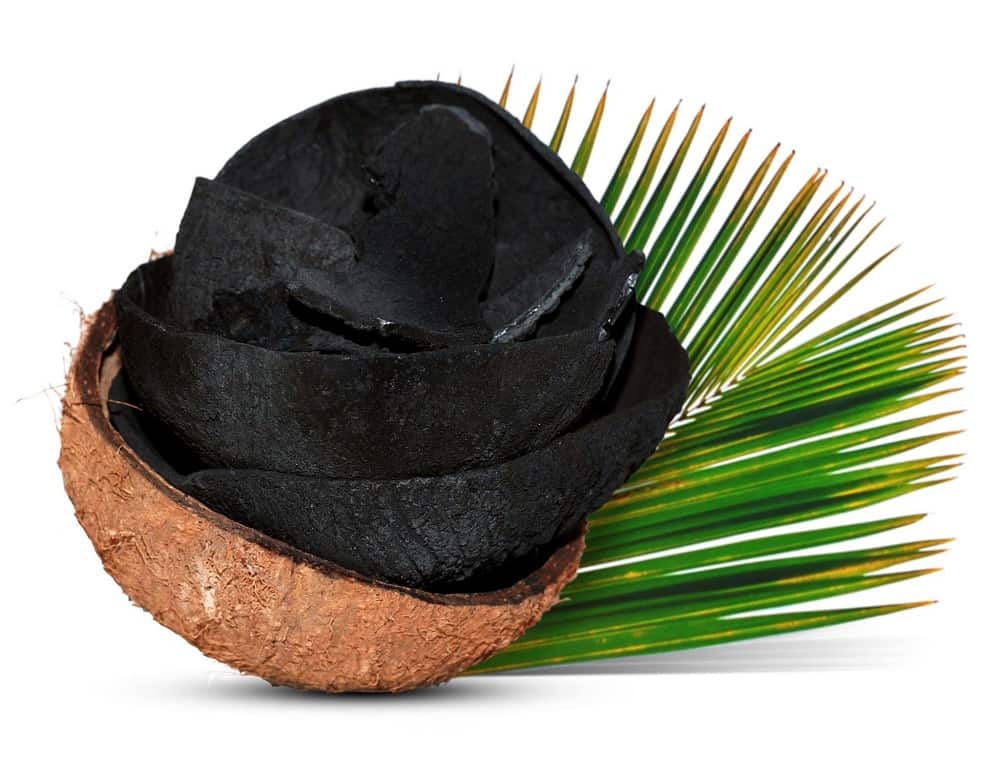
Coconut shell charcoal is not just a source of fuel, but is has been used in an array of things used in your daily life which you can never even imagine. The burning of the hard shell of the coconuts are done in a way that only limited supply of air is allowed so that it does not turn into ashes, but are only carbonized.

Coconuts which are completely dried and matured makes the best coconut shell charcoal. Three common ways to produce coconut shell charcoal are pit method, the gasifier technology and the drum method.

Uses of Coconut Shell Charcoal

They are different ways to process the burning of the hard shell extracted from the coconut to produce the shell charcoal, but mainly it is used to make an active carbon which is used in a number of commercial products globally.

Clean and pure produced charcoal is also made in briquettes, which is commonly used in different outdoor & indoor barbecues and heating.  Activated charcoal is used in pharmaceutical industry, the food and drink industry and also used in toothpaste products for teeth whitening & charcoal mask. The charcoal does not contain any chemical agents, so it can be used in different mediums and can respond accordingly.

As activated coconut shell charcoal has properties of strong toxin -cleaning, it is used as a remedy of every growing health conditions and has been approved for a number of medical conditions. There is a numerous amount of over the shelf products which claims its benefits and is considered useful.

1. Teeth Whitening/Oral health & Beauty Products

A number of different brands of tooth paste and teeth whitening products consist of activated coconut shell charcoal. They claim to have benefits like antifungal, anti-viral, detoxifying and anti-bacterial characteristics.  Many skin care brands claim that use of their products with activated coconut charcoal can improve skin treating dry, acne or oily skin.

The skin products include mask, moisturizer, facial cleaners and soaps. Some limited studies also suggest that it may help in removing dirt and impurities from the skin. It is considered to have the ability to soak up the excessive oil, clearing the blemishes and acne giving you a fresh young skin. Use of activated charcoal in skin care products can also benefit in reducing the appearance of pores eliminating the dead skin cells and brightening the skin.

2. Charcoal as a detoxifier

Activated coconut charcoal is also considered as an excellent detoxifier used in emergency rooms for chemical and environmental ingestion. It also protects against vapors which are harmful. It has also become a trend of people consuming activated charcoal after consumption of alcohol and food to remove toxins of the body.

3. Kidney Health

Coconut charcoal another ability is to help the kidney function by filtering out the toxins and drugs. Undigested toxins are filtered from the body and eliminate toxins which are derived from the urea. Some studies in the recent past has also discovered that it can help improve the kidney function.

People having inflation and chronic kidney disease may have decrease in gastrointestinal damage by the use of activated charcoal but as the research is limited there are still findings required on it.

4. Deodorants

A number of brands are also producing deodorants from activated charcoal where are available over the counter. As it has properties of being absorbing dangerous gases and scent, it makes it ideal to be used in shoes, underarms and fridge deodorants.

Other characteristics of activated charcoal also includes absorbing extra moisture and controlling the humidity levels. Coconut charcoal is able to absorb the sweatiness and absorb moisture. It is a nice and safe alternate as compared to conventional deodorants and can be used in daily routine as it neutralize odor.

5. Intestinal Gas

Another amazing benefits which even the researches are not able to understand is having it ability to disrupt the intestinal gas. Even though the studies are limited but even the European Food Safety Authority (EFSA) beliefs that there is enough evidence support the use of activated charcoal for reduction of excess gas buildup. Some studies and journals have published that use of activated charcoal has reduces and help in improvement of bowel and gas related problems.

While coconut shell charcoal is considered numerous benefits but there are some challenges which should be taken into consideration for safe use.

What ever the uses and benefits we discussed above, it safe to say that the coconut shell charcoal has a natural and organic way to provide you the best health benefits, use in your daily life whether its in the bathroom, living room, the kitchen or using it on your skin.

Coconut shell charcoal is also used in various industries, like water purification and filtration, Metallurgy and gold mining, production of activated carbon, odor absorption and air purification and gardening and agriculture.

Coconut shell charcoal is best used when it is activated. Other raw form of coconut shell charcoal is commonly used in grilling and cooking.

It is very common as it is a long lasting and efficient source of cooking. It is transformed in from of briquettes and is smoke less with very little ash. It is considered as a natural and flavorless alternate to the traditional wood charcoal.

Contact Earth Scape a leading coconut shell charcoal manufacturers to order coconut shell charcoal in bulk.


November 21, 2023
How-To-Use-Coir-Disc-in-Garden.jpg

Wants to know how to use coir disc in Garden?

Coir disc made from coconuts is a growing medium commonly used in hydroponics and has a growing medium. It is made from the husk of a coconut is considered completely organic and natural.  It is considered as a eco-friendly choice among gardeners and home growers.

Coir Disc in the recent times has been gaining popularity as a growing medium among gardeners. It is also commonly used as a soil mixing component, potting soil, seed starter and a garden bed component.

Why is Coir disc considered to be used in Garden?

The main three important things considered in gardening for your soil includes soil drainage, tremendous water retention and soil alteration. Coco Coir provides all these qualities and is a perfect choice to be used as a growing medium for your garden plants and the water retention capabilities keep the plants hydrated.

Other nutrients and minerals are then added to make sure the growing needs are fulfilled and plants are developed healthy. At gardening stores and locations, it is most likely you will come across coco coir disc or in other forms. Let us go through how coir discs are being used among gardeners.

Uses & How to use Coir Disc in the garden

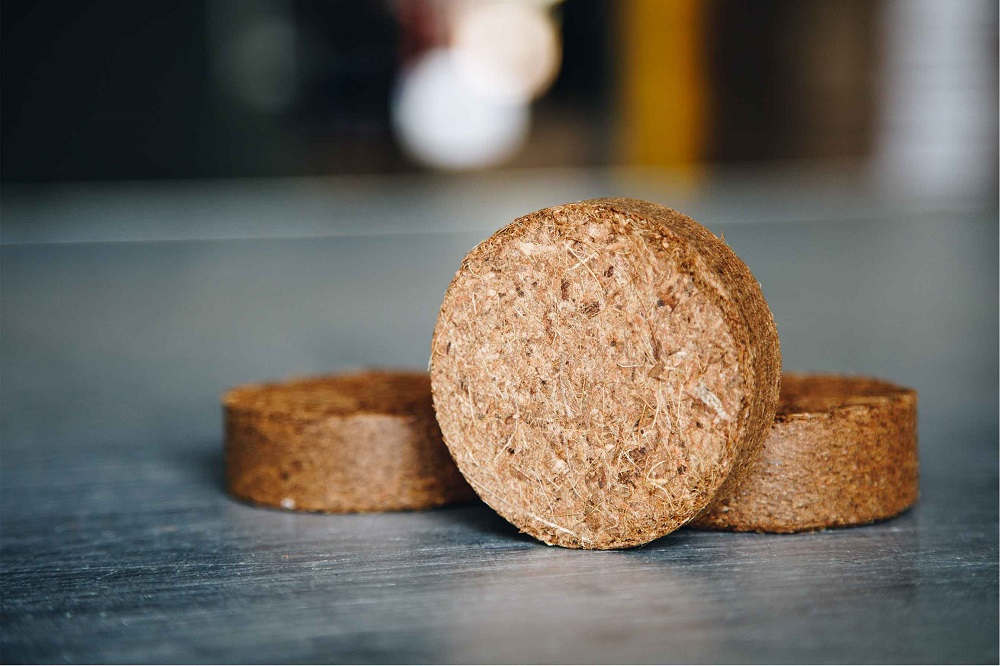
Coir disc are compressed form of coir to make it easy to use and handle. By soaking the coir disc in the water by using a tray, the coir expands to its size. Its recommended to soak disc for an hour before using them. Coir Disc in gardening is used as seed starters. After soaking the disc are then directly planted in the garden.

Mixing with existing outdoor soil

Gardner’s may use coir disc to mix coco coir with their outdoor soil, commonly in their garden beds. Coir as we know helps the soil with water retention. Using it at a soil mixer provides a better area for growing as compared to the soil let alone.

Using coir in Gardening: Worm Bins

Thinking of using coir for other gardening projects? why not use it as a worm bin. In a storage bin, drill some 8-10 holes and add coir disc in the bin with water. After adding scraps and worms in the mixture, close the lid after leaving a part of cardboard over the mixture.

Planter and basket liners

For an aesthetic look of your garden, you can place disc coir in hanging baskets for your home garden. By soaking the coir in water, arrange it in a basket and alter it accordingly. Then after adding a plastic liner to the basket start with drilling some drainage holes. Just before adding your plant, fill the coir with potting soil.

Using Coir Discs in Gardening: hydroponics

Hydroponics basically is a process refereeing to grow plants without using of a soil, so coir disc can be used to in hydroponics. You start by adding a coir disc to a pot, making drainage holes while soaking it into water. Mix some other materials like nutrients and minerals and plant your seed.

Contact Earth Scape who are a leading coir disk suppliers to order coir discs in bulk.

See Also:


November 13, 2023
How-To-Use-Coco-Peat-For-Indoor-Plants.jpg

Certainly, you are looking options to grow plants at your home at indoor places and looking for soil options and tips for the best growth for your plants? Coco Peat is an option of which you have been hearing recently and want to learn more? Then you have come to the right place.

We will explain what actually coco peat offers and how it is used for your indoor plantation needs.Coco peat is a widely used soil alternative which is gaining popularity for plantation and is being used all around the world.

Coco Peat is made from the outer part of the coconut husk fibre. It is a bi-product from the waste of the coconut and is considered as 100% organic and eco-friendly product. It is light in weight with a spongy texture. It provides water retention, proper drainage of water usage to keep the soil moist and is used as a growing medium. It helps in providing soil prosperity and prevents the soil weight which contributes to healthy roots and growth.

Coco peat is also considered as an in expensive option for home plant growers looking to spend efficiently and save money. Coco Peat can help in growing fruits, vegetables and flowers. If you are on a tight budget the coco peat is a good alternative.

It is considered as the best DIY (do it yourself) alternate that won’t be costing you a fortune in perusing your hobby. For indoor use of plants, coco peat is also highly rated because it doesn’t have any adverse harmful effects on the surroundings which may protect your family and neighbors. That is also another reason it is considered eco-friendly.

Understanding the right Coco peat for your use

Considering the right type is essential for the plant growth. With slight difference in their characteristics, its important to choose what is right for your house plant. While choosing some factors may include the different types available, water retention, nutrients content, sustainability or maybe some initial testing.

Getting the right fit is essential and may result in achieving amazing growth and getting strong healthy plants. A high-quality coco peat will always be free from fungal and bacterial growth so its important to consider buying from a trusted source.

How to Use and Prepare

Using Coco peat for indoor plants its not difficult. Due to it easy application it is being widely used all around.

  • For lose Coco Peat:It is considered as a ready to used coco peat available in bags. The direction is to take acceptable amount of and put in your plant container or pot and then transfer your plant and keep watering.
  • Coco Bricks: Coco bricks are easier to transport that is why they are dehydrated and packed into a shape. To use the bricks, it is advised to take a container with size 5-6 times bigger than the brick and starting pouring warm water around 1 gallon for a 1kg brick. Then it is advised to let it soak and wait for another 15-25minutes. Fluff it once it is absorbed to develop consistency. It is suggested to make changes as per your requirements. You are done once is moist and fluffy. Hydrated cocopeat can be kept for as long as 3 to 4 years. 
  • Adding Nutrients to your plants: Once of the important steps in gardening is to add nutrients as per the requirements so the best balance is achieved for growth and strength. Nutrients such as Calcium, Nitrogen, Magnesium, Phosphorous and Potassium are used depending on the plant’s nature and requirement. Each of the nutrients has their own characteristics like providing protein protection, healthy cell structures and help build/rebuild the structure. It is recommended to use these nutrients to the best of their ratio to get the best effective results.
  • Mixing with other seeds: Coco Peat can be mixed with other seeds to. To customize start by mixing coco peat with your other preferred ingredients. It is recommended to moist the mix before your seed plantation.

Benefits:

It maintains the soil looseness. It provides adequate plant root development with air flow. The soil water drainage helps plant prevent from getting soaked & drenched. In addition to the drainage is possesses water drainage characteristics and can hold up to 8 times more water then usage of a regular soil. You don’t require to water your parts daily. Due to its water retention capability, it holds the water and keep moisture for a long time. It helps solid decompose with use of carbon.

Coco Peat on the other hand promotes rapid growth for development and provide microorganism development which is essential part of the growth. Other benefits also include being anti-fungal and allow deep penetration to the roots. Coco peat helps in reduces the risk of plant diseases. Coco Peat also has a PH Value which is suitable for plant growth.

It gives enough amount of nutrients the plants need which can be adjusted through proper monitoring. The strong roots and healthy growth results in giving high increase yield.The numerous numbers of benefits are making coco peat popular among the gardeners and making it their first choice accompanying by being a renewable and sustainable alternate.

Tips of to follow when using Coco Peat:

  • Make sure coco peat you are using is completely dry before use. Damp Coco Peat can cause your plants root to rot.
  • As the nature of coco peat is dusty, it is recommended to wear a mask for safe handling.
  • Coco peat can be mixed with other materials to make the perfect combination, so make sure you have done a thorough research and know what suits best for the plant you are looking to grow.
  • As its fluffy and dusty in nature, there are chances in can be blow away with winds, so make sure you are careful and handling in a suitable environment.

Contact Earth Scape who are a leading coco peat exporters in Sri Lanka to order coco peat.


November 13, 2023
Coco-Peat-for-Hydroponics.jpg

Looking for advantages of coco peat for hydroponics?

Coco peat or also known as coco fibre is a natural 100% organic substance extracted from coconut fibre. Cocopeat is know for being used as a for gardening, a growing medium to improve soil texture, aeration and moisture.

Coco peat is increasing in popularity for it benefits make it a first choice for home gardeners and it automatically encourages them to replace it as an organic soil replacement.Its considered ecofriendly and sustainable, and used a substitute for other harvesting products.

Coco Peat is commonly used for Hydroponics. It is white or light brown in color, and has a light fluffy texture. Coco peat is available in different forms which includes coco bricks, coir dust and coco chips.

If you are unaware of Hydroponics; it is a nutrient growing of plants with or without soilless substrate to provide growth and support. The word hydroponics is derived from “hydro” (water) and “ponos” (labor). It’s a process which has been used from thousands of years but it has been evolved after the plastic and green house industry.

The plants get the essential required nutrients from the water-based solutions that reaches the roots;therefore, it makes the presence of soil unnecessary. Hydroponics has its own advantages and disadvantages as comparted to cultivation in soil. They are two commonly used systems been practiced in hydroponics which includes active system and passive system.

In future hydroponics would soon be considered as the most sustainable alternate for food production and farming. By using Coco peat for home gardens growers are helped with suitable conditions for plant growth. Let’s walk over the see how Coco Peat can be beneficial for Hydroponics.

5 Advantages of Coco Peat for Hydroponics

100% Organic & Natural (Eco-Friendly)

As discussed earlier, Coco Peat is a completely organic natural product extracted from Coconut. In thisfast-driven world, and increase of industrializationit is important to move towards eco friendly alternates. As coco peat is produced from Coconut’s Husk a bi-product or waste product of the coconut industry, It is smartly and efficiently used to reduce waste.

Cocopeat can be used multiple times and is a bio gradable substance, holding It characteristics for a long time. The traditional peat is made from wetlands and bogs which can take hundreds of years to from. The organic and natural nature helps preventing adverse environmental impact promoting sustainably and eco friendly practice. With addition of protecting the environment, you are protecting your family & pets from the hazardous chemicals playing a key part to reduce pollution.

Nutrients & Water Retention

One of the major advantages and characteristics of Coco peat is its retention of water. Even though coco peat is considered water proof, but its water absorbing qualities allows the texture to hold water which is gradually released as per required by the plant. It prevents plants to get soaked from water saving from fungal diseases and protecting roots.

Coco peat ensures that the plant does not suffers from excessive watering or being deprived by water, providing a perfect balance, helping plants grow healthier. Cocopeat consist of nutrients like potassium and phosphorous which helps in plant’s growth providing strong roots. Coco peat is also preferred for hydroponics because of its capabilities to absorb nutrients.

PH Balance

PH levels hold an integral part in plants growth. As discussed earlier about its water retention capabilities, Coco peat also provides the perfect drainage. The PH value characteristics of Peat is 5.8-6.5 which is suitable for all plants. A value below range of 7 highlights acidity, were as value above 7 indicates alkalinity. So, as we mentioned the PH value of coco peat, we can say that is perfectly balanced and ideal for most plant species to grow.

It is also important to keep track of the PH value as at every stage of a plants growth different level are need which should be closely monitored. By having a proper understanding of PH levels, you can help the plants to grow in the best possible environment by adjusting it according to maximize its impact of nutrients microbial activity.

Solid Improvement & Aeration

Coco peat is considered as a perfect soil amendment. It helps in increasing the PH value of the soil ensuring the plant is getting enough nutrients to grow healthy and strong. Coco peat helps in providing more porous soil, which permits air and water to move openly giving improved growth. Coco peat can also me mixed with your existing soil to benefit with its advantages. The improved growth of roots due to coco peat makes results in better growth providing higher yields.

Usage &easy accessibility

There are several reasons why Coco peat for hydroponics I highly preferred. The accessibility of availability of coco peat also makes it as a preferred choice for everyone. It is commonly available online or directly form the market. It is available in variety of shapes and sizing suiting different applications.

As it can be compressed to 1/5th or even less of its volume, it available in different mediums making it easier to transport and ship reducing the storage and handling cost make it cost efficient. Another key benefit of its usage is that less space is required and you can increase your production. Its an efficient way to utilize your small space. Coco Peat is considered very easy to reuse and rewet.

Dry coco peat can quickly absorb water and making it readily available for usage in a short span of time. Breaks can be soaked in water to dissolve by adding warm water for around two hours. It can be usable directly or by mixing in a proportion with different soil mix for usage.

By using multiple combination of coco peat different mediums like chips, coir dust, and bricks you can customize accordingly for the type of plant you are looking to grow. Mixing it with coconut husk provides multiple characteristics and benefits for your plant’s growth.

Contact Earth Scape a leading coco peat manufacturers in Sri Lanka to order coco peat.

See Also:


October 19, 2023
Grow-Bags-Vs-Plastic-Pots.jpg

Let’s check which is better to grow between grow bags Vs plastic pots.

Grow Bags:

Grow bags are fabric-like bags used to grow plants and vegetables. Usually, they are made up of plastic but now a days some grow bags are also made up of jute or fabric. There are many ways through which a grow bag supports a consistent growth of a plant.

Grow bags are made up materials which are non-tearable and breathable. If you want to grow plants in your balcony or patio then grow bags are a perfect fit for you, they are flexible and light weight. They can easily be transferred and if used with care, they can be recycled and reused. Any plant that does not have deep roots can be easily grown in a grow bag.

Also, if you have love for plants but does not have an in-ground garden don’t worry because grow bags allow you to continue doing gardening even in your balcony or patio.

Pros of Grow Bags:

Let’s have a look at the advantages of using a grow bag instead of a plastic pot, what difference can it make to your overall gardening and plant growth and how it is efficient than the plastic pot. Here are some of the reasons why you should switch to a grow bag and how it makes your life easy;

  • One of the biggest advantages of using a grow bag is that it can be used anywhere. No matter you own a garden or not or even if you live in a rental apartment by using a grow bag you can grow plants anywhere and take them with you whenever needed.
  • Another plus point of using a grow bag is that it is light weight and easily moveable. Grow bags are handy enough and provides you the convenience to move it around whenever you want.
  • Grow bags helps in building a healthy root system, and avoid root bounding to occur unlike plastic pots which causes the root to form a coil.
  • Grow bags are made of breathable materials which avoid over heating of the plants and provides a balance airflow to support a healthier root.
  • Grow bags allow only the necessary amount of water to stay and the excess water is drained through the holes in the materials. This prevents the plant from being over-watered.

Cons of Grow Bags:

Just like any other things, with some advantages there are some drawbacks associated too. Let’s now tall about some of the disadvantages that you might face while using a grow bag instead of a plastic pot;

  • While using a grow bag you will be needing to water the plant more frequently. Because the materials used to make them contain pores which allow the water to drain out easily hence the need to water more is required.
  • Grow bags are not always durable and would not serve for a lifetime. After every 3 growing seasons you will have to replace them.
  • Linking this one with the previous point, since you will be needing to change the bags more frequently unlike the traditional plastic pots it will cost you more and your total cost will rise up.
  • Grow bags are less attractive than plastic pots and you can’t do much to elevate their look. Also, they are less aesthetically appealing as the plastic pots.

Plastic Pots:

Plastic pots are the most common type of pots used for gardening and plantation. They are very easily available and are found to be a cheaper option as compared to the grow bags. Plastic pots are light weight, durable and flexible hence they are widely used by gardeners all around the globe.

Plastic pots are a life saver if you forget watering your plants on regular basis, the reason is these pots are non-porous and does not allow the water and moisture to escape out. Plastic pots are favorable for those plants which grow better in moist soil. They are versatile and come in different shapes, color and sizes and they can easily be used for indoor or outdoor gardening.

Pros of Plastic Pots:

Plastic pots have many advantages over the grow bags, let’s have a look at them;

  • The most important feature of a plastic pot is that it is easily available and inexpensive. You do need to spend a lot amount of your money to buy them.
  • They do not contain pores and retains the water, so if you are using a plastic pot, you need not to water the plant frequently unlike a grow bag which require frequent watering.
  • Plastic pots are durable and seem to have a longer life as compared to the grow bags. It’s like a one-time investment, where you spend once and enjoy the fruit for the next many years.
  • There is variety of sizes, shapes and colors of plastic pots which make them attractive and appealing.

Cons of Plastic Pots:

Irrespective of the pros mentioned above, there are some drawbacks of plastic pots too. Let’s discuss them down below;

  • When plastic pots are exposed to cold temperature for a long time, they become brittle and starts to crack.
  • Since the pots are non-porous and does not let the extra water to drain out. It might be harmful for some plants as the soil will contain moisture and will be wet. And might hinder in the plant growth especially for plants that grow better in dry soil.
  • Since the pots are made up of plastic, the color of the pot might fade up due to the exposure of sunlight.
  • Although these plastic pots are inexpensive but if you buy a cheap plastic pot it might not be very durable and would last for few growing seasons only.

After having a look at the pros and cons of both it is safe to say both Grow bags and Plastic pots are good to use for their own reasons. Depending upon the temperature conditions , environmental conditions and type of plant you can choose the one that best fits for you.

Now you know which is better between grow bags Vs plastic pots, Contact Earth Scape who are a leading coco peat grow bag manufacturers to order in bulk.


October 18, 2023
Vegetables-to-Grow-in-Grow-Bags.jpg

Gardening as a hobby opens up new ways of growing plants and vegetables. If you are a hobbyist gardener, this blog is for you. Whether you are a beginner or a pro at gardening, here are the best 10 vegetables to grow in grow bags.

Grow bags are like plant baskets. You can plant your vegetables in these bags and keep them inside or move them as and when required. Grow bags are a modern tool for growing plants. In traditional gardening, you directly sow the seed or plant in the soil. Here, you sow the plant in the grow bags.

Not everyone has a huge garden at their place. Modern homes are compact and have less space for plantations. This is why using grow bags is a better alternative to traditional gardening. You can place these grow bags inside your home or on a small balcony. This is a great space-saver and yet it harvests good vegetables.

1. Tomato

Let us begin with a vegetable that is used across the globe in almost all cuisines. Tomatoes need healthy roots to grow better. You can grow patio tomatoes, cherry tomatoes, and even Roma tomatoes in the grow bags.

Along with healthy roots, these also require proper aeration and drainage. Grow bags are an excellent choice for growing tomatoes. We suggest you use big grow bags to plant tomatoes. This will help the roots expand. And hence, tomatoes will grow well.

The tomato plant may bend due to the weight of the tomatoes. Therefore, you will have to use a stick to tie the plant to it. 15-20 gallons of grow bags will work best to grow around 2 tomato plants.

2. Potato

Another versatile vegetable is the potato. You can make delicious recipes with potatoes. This one will easily grow in a grow bag. You need to choose a grow bag of around 10-15 gallons. The potato roots need space, so you will need a large grow bag.

Over watering may damage the roots. But potato plant growth requires a good amount of sunlight. The varieties of early-season potatoes mature faster. It takes approximately 60-90 days to grow. None the less, you can grow all the potato varieties in a grow bag.

Provide some shade for the potato. Cool areas are a good place to keep your potato grow bags. These generally grow well in cooler temperatures with little frost. You can plant 4-5 seed potatoes in a grow bag of 10-15 gallons.

Pro Tip- Plant the seed potatoes in sandy soil to help them grow better.

3. Spinach

Spinach is a vegetable of the colder seasons. This green leafy vegetable is the most nourishing and super healthy one. From staying fit to recovering from illness, spinach is a good option. The growth of spinach is compact, and it has a shallow root system.

This is the reason why spinach is a wonderful option for grow bags. You can grow different types of spinach, like baby spinach, in the grow bags. This vegetable enjoys sunlight. Even then, we recommend you allow it some shade.

A grow bag that is 6-9 inches deep is a good choice for spinach growth. Do not water the plant a lot in a day. Keep watering little by little every day to maintain the moisture. To make it grow faster, plant it either during early spring or late winter.

4. Cauliflower

Cauliflower is another vegetable that you can easily plant in a grow bag. You will need a grow bag of about 5-10 gallons to grow this healthy vegetable. Large grow bags will help the roots develop well.

Give the plant a lot of water, but prevent water logging. Proper drainage will allow the roots to stay healthy and fresh. Cauliflower growth requires a good amount of sunlight, but it cannot tolerate extreme temperatures. Water retention is essential for this plant, so choose a grow bag accordingly.

Cover the garden area with a shade to avoid direct sunlight. Blanching is an important step here. You can cover the cauliflower head with its big leaves to protect it from harsh sunlight. You should plant only one seed in the grow bag, as the leaves of this one are denser.

5. Sweet Potatoes

Growing sweet potatoes in a grow bag is simple. This vegetable can grow well in a controlled environment. The only point to note is that each variety needs a particular climate. So, ensure you plant the sweet potatoes as per the climate in your region.

Planting the sweet potato slips in a grow bag of 10-15 gallons is what we recommend. Direct sunlight is beneficial for sweet potatoes. They grow well in hot areas.

This vegetable also requires proper air circulation. If the vines of your plant sprawl, you can adjust them to the vertical position. We suggest you use stakes to train the vines of sweet potatoes. This way, they will keep growing systematically.

Sweet potatoes also need more space. So, you will have to get a good, big grow bag, tall and wide, for this one.

6. Zucchini

For all the health-conscious people, Zucchini is a go-to vegetable. Zucchini is a summer plant and thus requires a lot of water and sunlight. Do not allow this plant to dry, as it would then result in bitter fruits. Keep watering the zucchini plant daily.

You will have to grow this one in a bigger grow bag as the roots will need more space. Use a 10-30 gallon grow bag to plant Zucchini. Add more soil to make your plant happy. Spring is the best season to plant zucchini.

The zucchini plant has large leaves. Hence, you should plant a single zucchini in each pot. To allow healthy growth for zucchini, sow some flowering plants around it. Protect your plant from squash bugs, as they may eat your zucchini.

7. Brinjal

Brinjal, or eggplant, is capable of growing in any space. Even in smaller spaces, these grow well. If you are new to bag gardening, you can plant brinjal to make a start. You can plant this one in smaller grow bags.

The brinjal plant requires ample amounts of sunlight and water. 6-8 hours of direct sunlight is good. But that may lead to dry soil, so keep watering the plant. Place a stick and tie the plant to give it some support.

Brinjal fruits are heavy, so the stems need support. Use a stake and tie the plant to the stake. This will keep the stem straight and prevent the plant from dying. To have a long-lasting brinjal plant, use a grow bag that is around 15 inches tall. You may buy a grow bag of 25 gallons.

8. Beetroot

Beetroot is another versatile vegetable. Apart from the kitchen, it is also useful for beauty treatments. Like sweet potatoes, beetroot varieties also require a suitable climate and temperature. Select the one that will grow well in your region.

Even if beetroots grow well in cool temperatures, they equally love sunlight. The most essential is a deeper grow bag. We all know from the name that beetroot exists because of its roots. The deeper the roots, the more delicious the beet.

Therefore, allow the roots to develop well and let there be a good amount of air and water flow. You can use a 15-2o gallon grow bag to plant the beetroot. Place them at least 3-4 inches apart if you are planting more than 1 beetroot in a grow bag.

9. Radish

If you are a beginner and confused about which plant to grow first, try Radish. It takes less time to grow in comparison to other vegetables. You can also start with a small grow bag, as radish does not require a lot of space.

In one bag, you can grow multiple radish plants. Keep watering the plant so that the moist soil gives you tender radishes.

10. Carrot

Growing carrots in a grow bag can be a little tacky, but there’s a solution. Choose the right kind of carrot variety, and you’re good to go. The roots of carrots grow deeper, and hence you will need a deep grow bag.

The compact category of carrots, like Paris Market, grows well in grow bags. The seeds of carrots overcrowd with time, so ensure you make the seeds thin before sowing.

There are a lot more vegetables that you can plant in a grow bag. To harvest healthy vegetables at home, you need a good grow bag. These grow bags come in a variety of materials, and they play a huge role in a plant’s health.

Ensure that your grow bags are neither too thick nor too thin. The material should be breathable. They must have holes in the bottom for proper drainage. Make a list of plants that you want to grow, and then buy grow bags for each plant. The size of the grow bags will develop the roots well.

Contact Earth Scape a coir grow bag exporter to buy coir grow bags in bulk.

See Also: